Arborists and tree service professionals work in some of the most demanding conditions in the outdoor service industry. From climbing tall trees and operating chainsaws to removing damaged limbs near homes, vehicles, and power lines, the work can involve significant risks. In New Hampshire, changing weather and wooded properties can add another layer of complexity to daily operations.
Having an appropriate Arborist Insurance program can give tree care businesses a way to address some of the risks associated with their work. Insurance needs can vary based on the services a company provides, the equipment it owns, the number of employees, and other factors. Insurance24 can help New Hampshire arborists review their exposures and consider insurance options suited to their operations.
Why Is Arborist Work Considered High Risk?
Arborist work combines specialized equipment, elevated work, heavy materials, and constantly changing job-site conditions. A tree may need to be removed because of disease, storm damage, age, or its proximity to a structure. Each project can present different hazards.
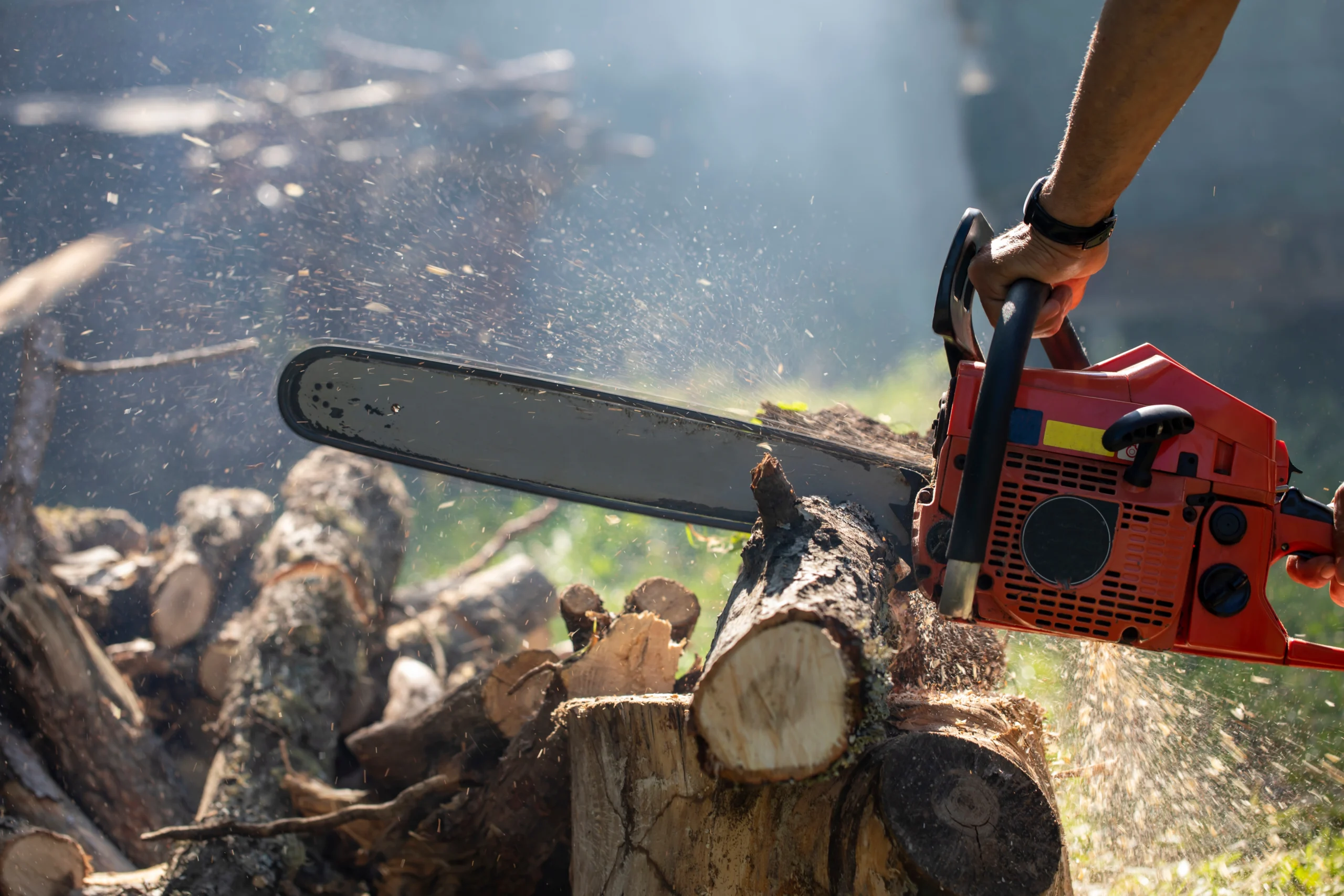
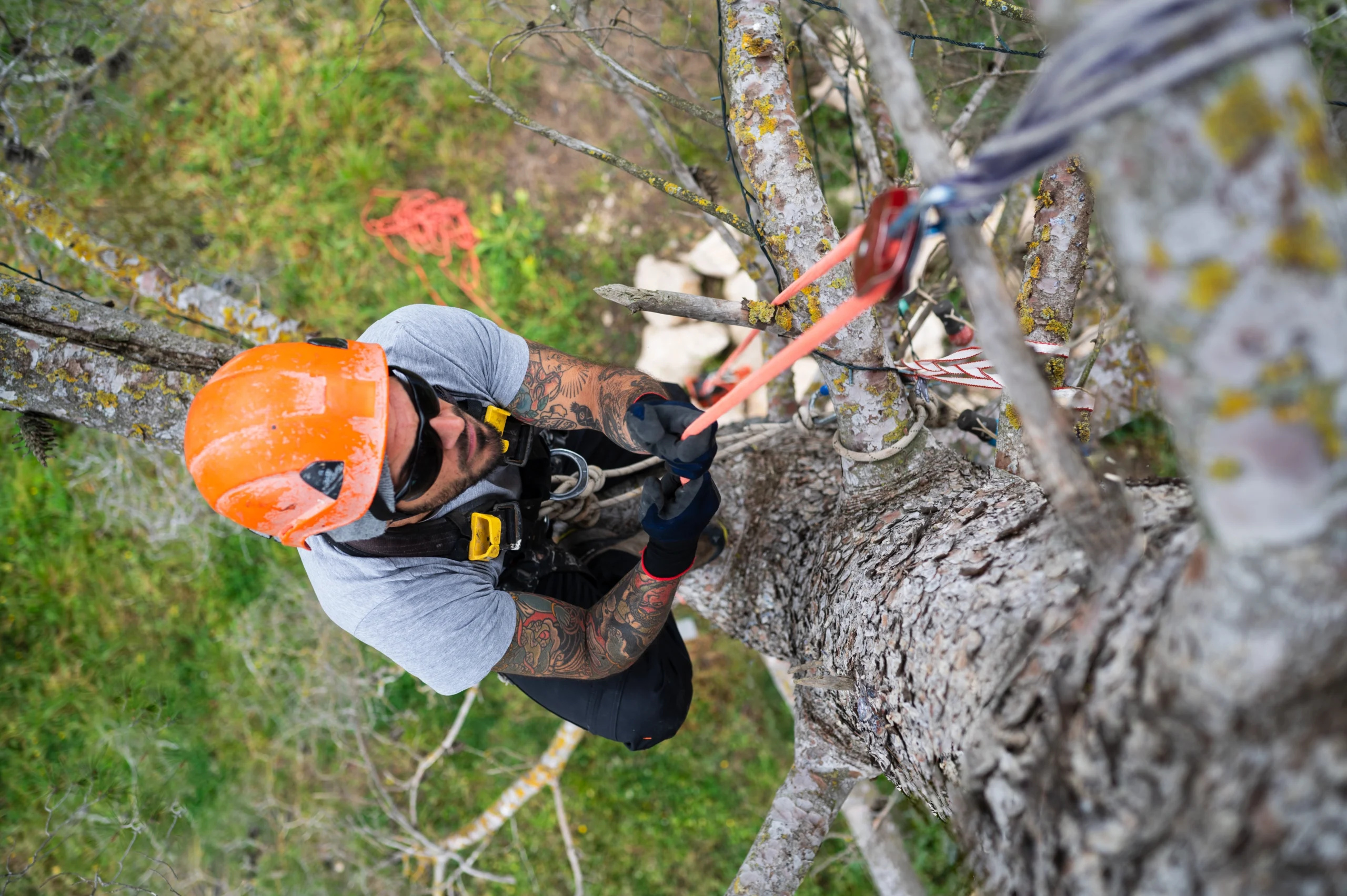
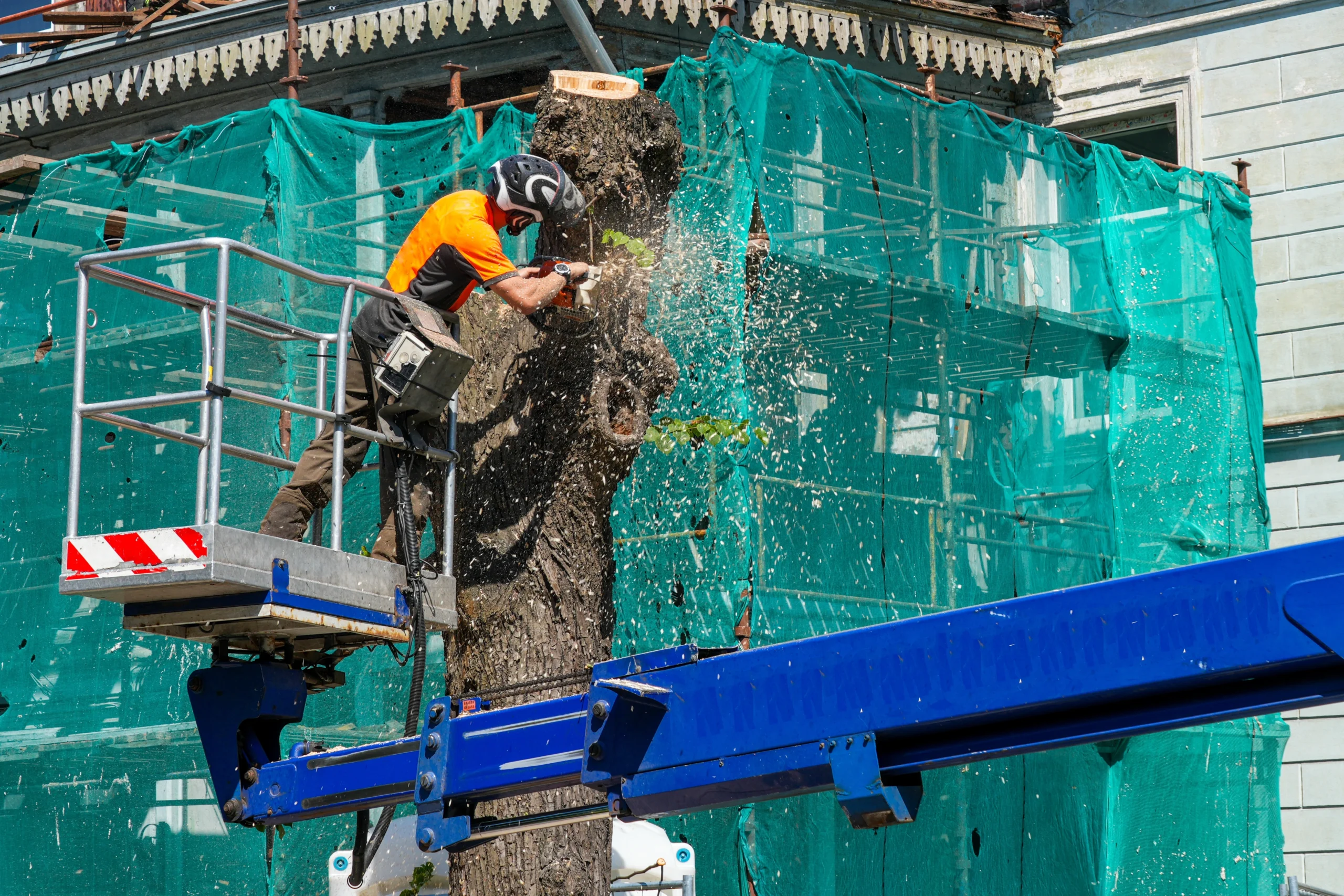
An arborist may work from a bucket truck on one property and climb trees using specialized equipment on another. Chainsaws, chippers, stump grinders, ropes, trailers, and other tools can also be part of the operation. Employees and contractors may face risks while cutting branches, lowering sections of a tree, or moving debris.
Because the potential exposures can vary considerably from one job to another, an insurance program should reflect the actual scope of the business rather than relying on a one-size-fits-all approach.
What Types Of Risks Can Tree Service Businesses Face?
A tree service company can encounter risks involving people, property, vehicles, equipment, and business operations. For example, a falling branch could damage a customer’s roof, fence, landscaping, or vehicle. An employee could also be injured while working with equipment or performing elevated tasks.
Tree service businesses may also face risks while traveling between job sites or transporting equipment. A company that operates multiple vehicles, trailers, or specialized equipment may have exposures that differ from those of a smaller operation with limited equipment.
Some common areas to discuss when evaluating Tree Service Insurance may include:
- General Liability Insurance: Considerations for third-party bodily injury or property damage claims.
- Commercial Auto Insurance: Options that may address business-use vehicles, subject to policy terms.
- Workers’ Compensation: Coverage considerations for eligible employees, depending on applicable requirements.
- Equipment Coverage: Options that may address certain owned or scheduled business equipment.
- Umbrella Liability: Additional liability limits that may be available for qualifying risks.
The right combination depends on the business, its operations, and the policies available to it.
How Can New Hampshire Weather Affect Arborist Operations?
New Hampshire experiences a wide range of weather conditions throughout the year. Heavy snow, ice, wind, thunderstorms, and seasonal storms can contribute to fallen or weakened trees. As a result, tree care companies may receive urgent calls after severe weather events.
Storm-related work can involve unstable trees, obstructed roads, downed limbs, and other difficult conditions. Arborists may also be asked to remove trees or branches that have fallen onto structures or other property.
These situations can create additional operational considerations. A company may need to work quickly while still managing equipment, employees, traffic, customers, and surrounding property. Discussing seasonal exposures with an insurance professional can be an important part of reviewing Arborist Insurance in New Hampshire.
What Should Arborists Consider When Reviewing Their Insurance?
Every tree care company has a different risk profile. A business that primarily performs pruning may have different needs from one that specializes in large-scale removals, emergency storm work, or stump grinding.
When reviewing insurance, arborists may want to consider the services they currently provide and whether their policies accurately reflect those activities. It can also be useful to review changes in equipment, vehicles, employees, service areas, and annual business activity.
Other factors worth discussing may include the types of properties served, whether subcontractors are used, where equipment is stored, and whether the company performs work near roads or utility lines. Keeping these details current can make it easier to identify potential gaps or overlaps when policies are reviewed.
Why Does Specialized Tree Service Insurance Matter?
Tree service operations have exposures that may not be present in many other contracting businesses. A company could have employees working at significant heights while using specialized machinery around buildings, vehicles, utility infrastructure, and other property.
For that reason, a general business insurance approach may not address every exposure associated with an arborist’s operations. A more focused review can take the company’s actual services and equipment into consideration.
Tree Service Insurance may be structured around several different policies and endorsements rather than one standalone solution. Policy terms, conditions, exclusions, limits, and eligibility requirements can vary, so working with an insurance professional familiar with these businesses can be valuable.
How Can Insurance24 Help New Hampshire Arborists Review Their Options?
Insurance24 understands that every business has its own combination of services, equipment, employees, vehicles, and job-site exposures. An arborist operating in New Hampshire may need to consider different risks than a landscaping company or another type of contractor.
The insurance review process can start with a conversation about how the business operates. That may include the types of tree work performed, equipment used, vehicles operated, and customers served. From there, available insurance options can be evaluated based on the company’s circumstances.
Whether a business is established or just getting started, reviewing Arborist Insurance periodically can be useful as operations evolve. New equipment, additional employees, expanded services, and larger projects can all change the company’s insurance needs.
For New Hampshire arborists looking for a thoughtful approach to Tree Service Insurance, contact Insurance24 to discuss your business and explore insurance options that may fit your operation.
